
Digital Twin Simulation Trends That Matter

Digital twin simulation trends are shifting CAE toward validated models, live data, and disciplined workflows that support faster, confident engineering.
Nastran Licensing for Modern Engineering Teams
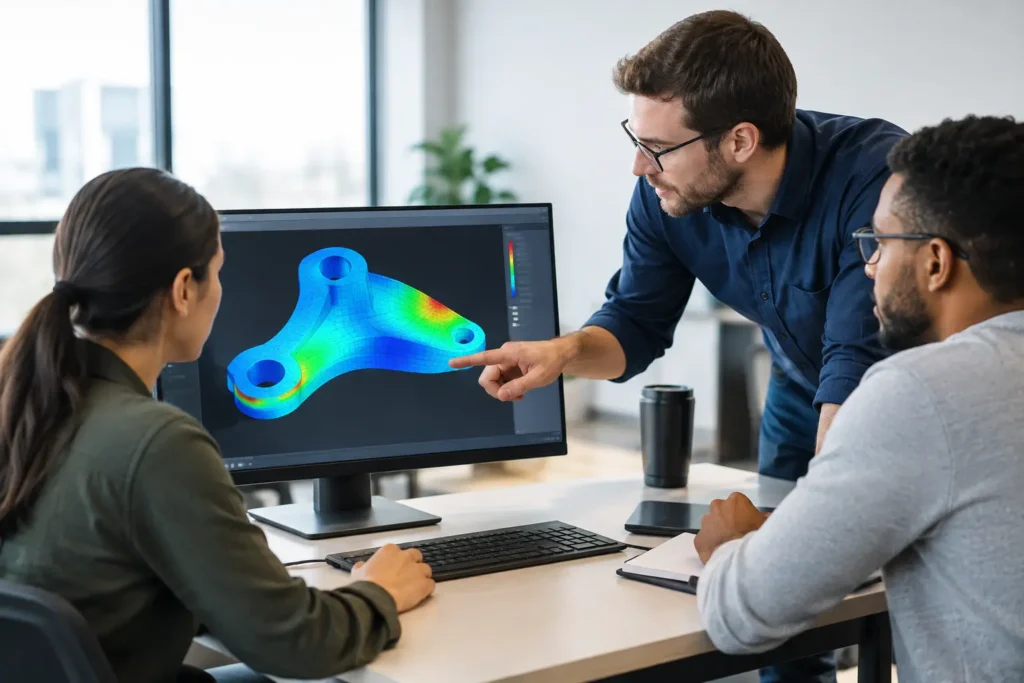
Nastran licensing shapes solver access, cost control, and program risk. See how engineering teams should assess terms, deployment, and support needs.
Automotive Crash Simulation That Engineers Can Trust

Automotive crash simulation helps engineering teams validate vehicle structures, restraints, and energy management before physical prototypes are built.
What Are Rigid Elements in Finite Element Analysis?
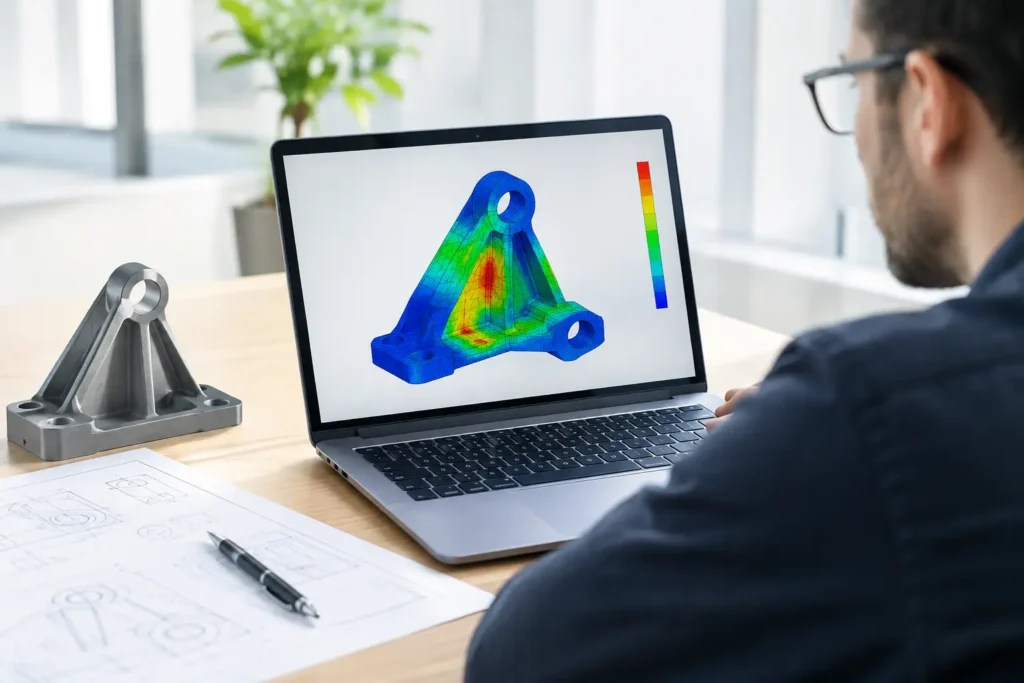
For engineers asking what are rigid elements, this FEA guide explains RBE2 and RBE3 behavior, load transfer, and modeling checks for accurate results.
Generative Design Simulation for Real Engineering
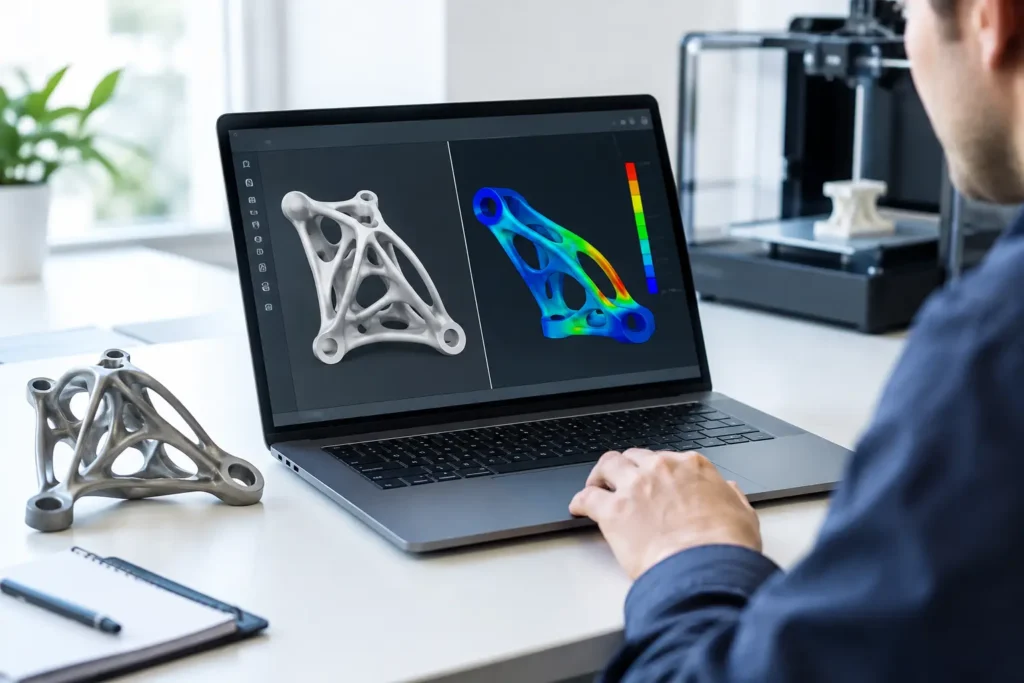
Generative design simulation speeds concept development, but validated loads, constraints, materials, and FEA models determine production value reliably.
Best Simulation Quality Metrics for FEA Teams
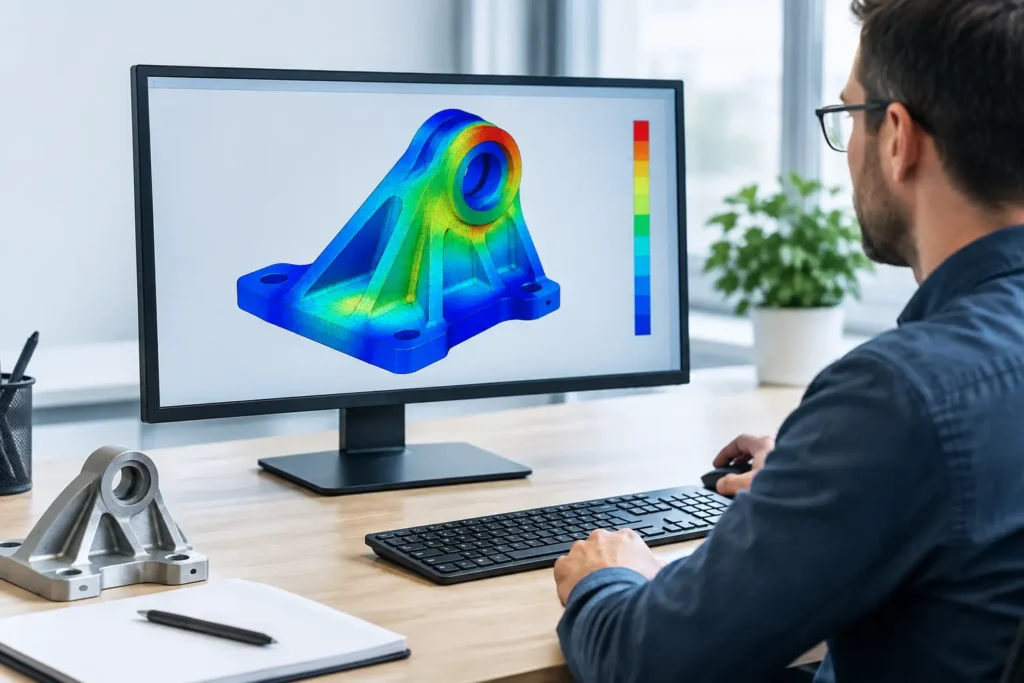
Identify the best simulation quality metrics for validating FEA models, managing uncertainty, and making confident engineering decisions before testing.
How to Set Damping Values in Nastran Models
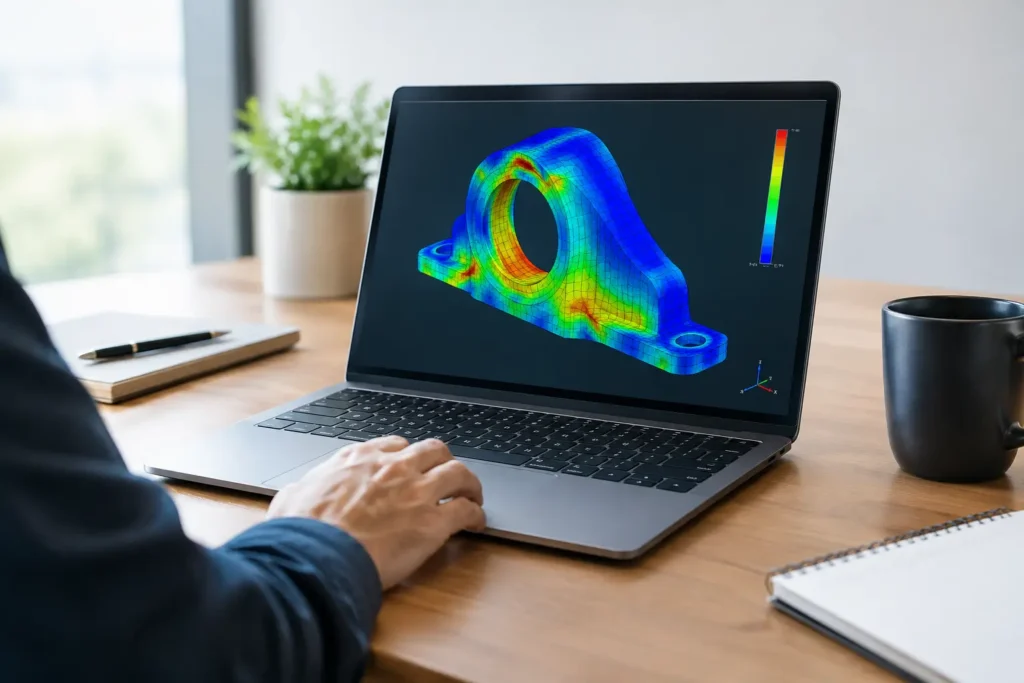
Learn how to set damping values in Nastran models using test data, modal methods, and validation to improve dynamic response accuracy and decisions now.
When CAD Embedded Simulation Is Enough for Design
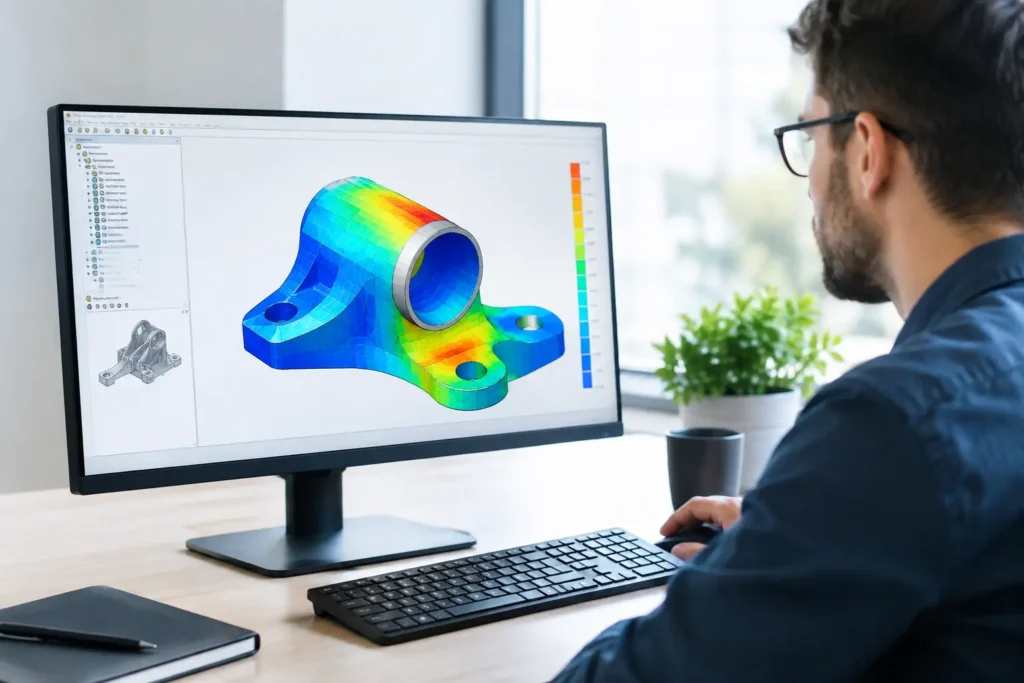
CAD embedded simulation helps engineers test concepts early. Learn where it delivers speed, where it falls short, and how to validate critical decisions.
Reducing Prototype Iterations With Better FEA
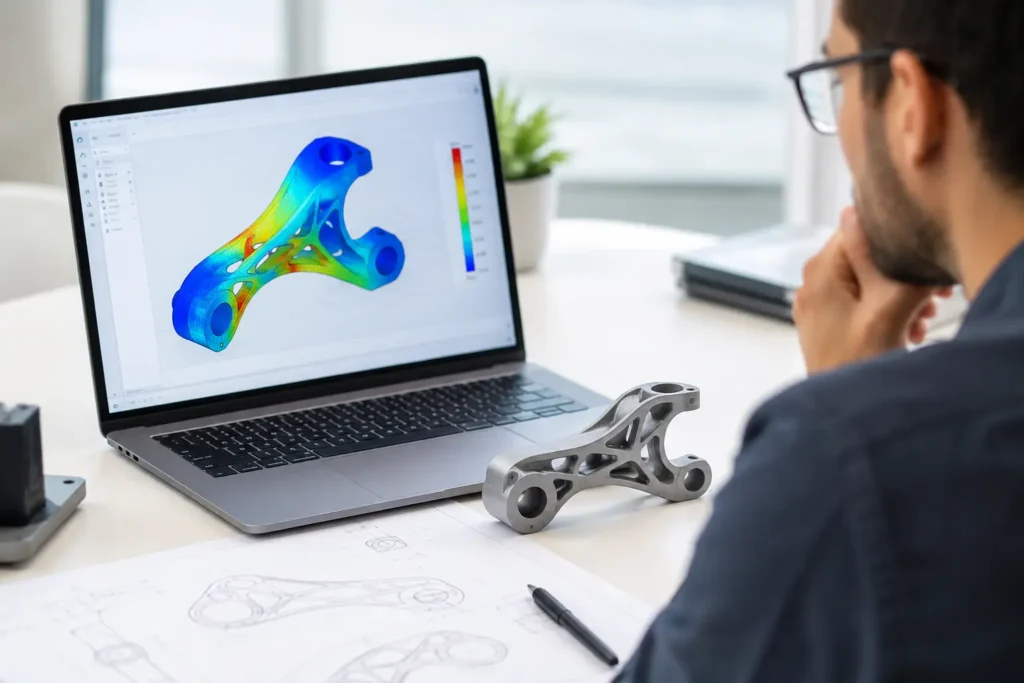
Reducing prototype iterations starts with credible FEA models, correlated data, and disciplined decision gates that expose risk before hardware is built.
Top Causes of Unrealistic Displacement in FEA
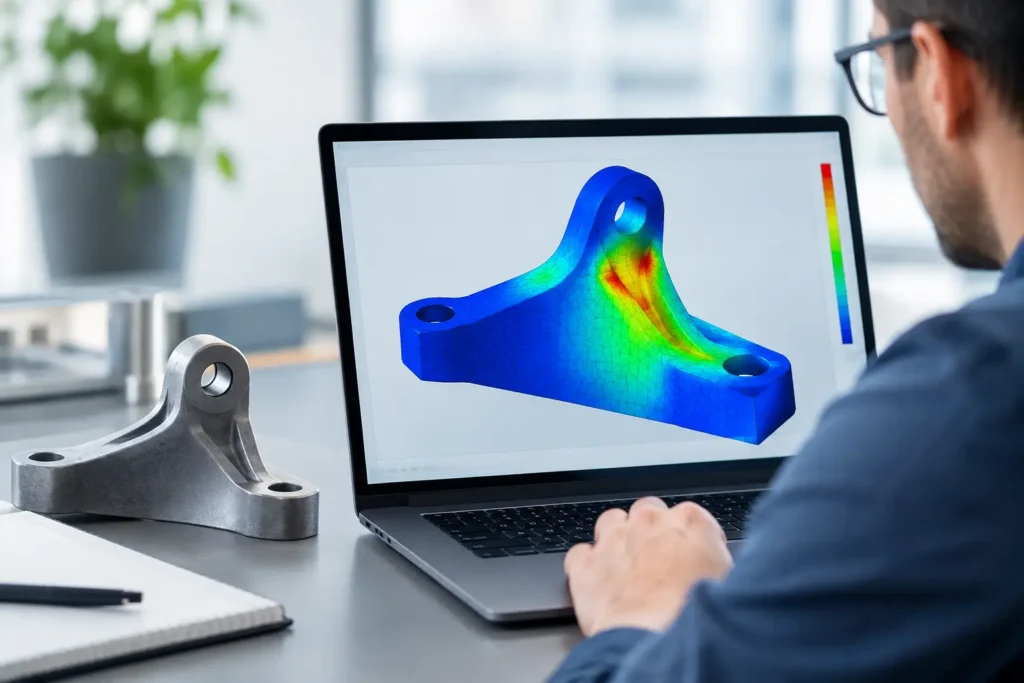
Learn the top causes of unrealistic displacement in FEA, including constraints, contacts, stiffness, mesh quality, and load paths, to validate results.